Imagine this: You're all set for a hiking adventure. You've packed your water, snacks, a map, and maybe even a camera. But as you lace up your old running shoes, a question pops into your mind—are hiking shoes really necessary?
This isn’t just about comfort; it's about safety, performance, and long-term health. In this blog, we’ll explore the importance of hiking shoes.
Problem: The Risks of Inadequate Footwear on Trails
When it comes to hiking, your choice of footwear can make or break your experience. Many hikers, especially beginners, often think that any sturdy pair of sneakers will do. But is that really the case?
Injury Risk
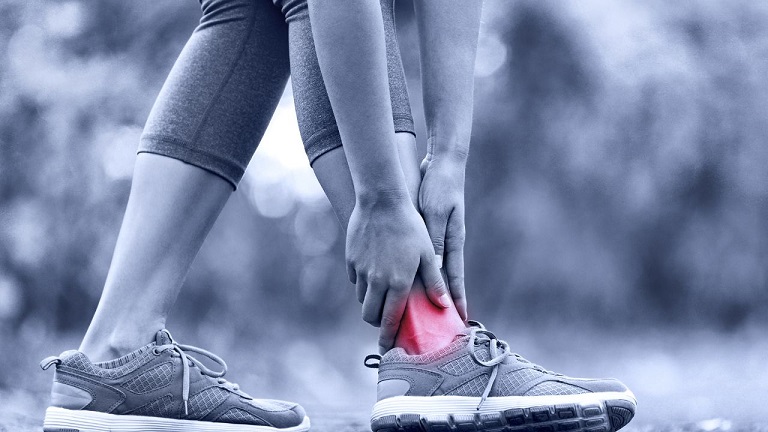
One of the most significant problems with using regular shoes on a hike is the increased risk of injury. According to a study published by the Journal of Foot and Ankle Research, hikers who wore improper footwear experienced a higher incidence of foot and ankle injuries. As Easy Camping Guide notes, "Running shoes are not the ideal choice for hiking," because they lack the necessary support and traction required for uneven and rugged terrains.
These include sprains, fractures, and even blisters, which, although minor, can make a hike unbearable. The terrain on hiking trails is often uneven, slippery, and unpredictable, making it essential to have shoes that offer stability and support.
Performance Issues
Another issue is performance. Hiking requires different movements compared to walking or running on flat surfaces. You’re dealing with uphill climbs, downhill descents, and rocky terrain. Regular shoes are designed for flat surfaces and lack the grip, support, and durability needed for hiking. Without the right shoes, you’ll find yourself slipping on wet rocks, struggling for traction on loose gravel, and exhausting your feet faster.
Long-term Damage
Long-term damage is another concern. Without proper footwear, repeated stress on your feet, ankles, and knees can lead to chronic problems. Plantar fasciitis, Achilles tendinitis, and knee pain are common issues that can develop from inadequate footwear. According to the American Orthopaedic Foot & Ankle Society, repetitive strain from improper shoes can cause or exacerbate these conditions over time.
Agitation: The Cost of Ignoring the Right Footwear
The problems with improper footwear aren’t just theoretical—they have real-world consequences that can ruin your hiking experience and even your health.
Case Study 1: The Cost of a Simple Sprain
Take, for example, the case of Sarah, an avid runner who decided to go on a weekend hike with her friends. She wore her usual running shoes, thinking they would be sufficient. However, midway through the hike, she slipped on a wet rock and sprained her ankle. What was supposed to be a fun day out turned into a painful, drawn-out ordeal that took weeks to heal.
Sarah’s experience isn’t unique. A study by the Wilderness Medical Society found that ankle sprains are one of the most common injuries among hikers, and improper footwear was a significant contributing factor. The cost? Not just medical bills and missed work, but also the frustration and disappointment of having to sit out on future hikes.
Case Study 2: The Long-term Impact on Joint Health
Then there's the story of John, a seasoned hiker who didn’t think much about his footwear. He often used his old cross-trainers on hikes, assuming they were good enough. Over time, he started developing knee pain, which progressively worsened. Eventually, he was diagnosed with patellofemoral pain syndrome, a condition often exacerbated by poor footwear choices on uneven terrain.
John’s story highlights how the wrong shoes can have a lasting impact on your body. According to the Mayo Clinic, improper footwear can alter your gait and increase stress on your joints, leading to long-term damage that can limit your ability to enjoy physical activities, including hiking.
The Psychological Toll
Let’s not forget the psychological impact. Imagine setting out on what you hope will be an invigorating adventure, only to be sidelined by foot pain or injury. It’s not just your body that suffers—your enthusiasm for hiking can take a hit as well. The fear of re-injury can make you hesitant to tackle challenging trails, limiting your experience and growth as a hiker.

Solution: The Case for Hiking Shoes
So, what’s the solution? The answer is simple: invest in a good pair of hiking shoes. But why are they so essential, and what makes them different from regular footwear?
Design and Features of Hiking Shoes
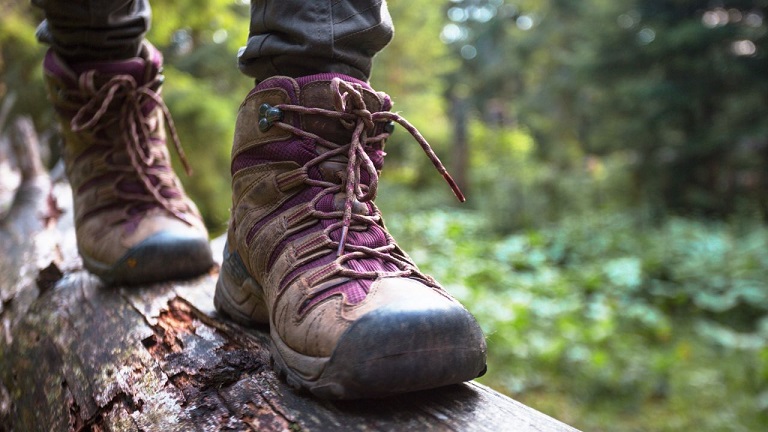
Hiking shoes are specifically designed to handle the challenges of the trail. They come with features that make them indispensable for serious hikers:
- Traction: The soles of hiking shoes are made from durable rubber with deep lugs, designed to grip uneven and slippery surfaces. This traction helps prevent slips and falls, providing stability on various terrains, from loose gravel to muddy paths.
- Support: Hiking shoes offer enhanced ankle support, which is crucial for preventing sprains. Many hiking shoes come with reinforced ankle collars and stiff midsoles that provide stability, reducing the risk of twisting an ankle on uneven ground.
- Durability: Unlike regular shoes, hiking shoes are built to withstand the wear and tear of rough terrain. They’re often made from high-quality materials like leather and synthetic fabrics that resist abrasion, making them more durable and longer-lasting.
- Waterproofing: Many hiking shoes come with waterproof membranes, such as Gore-Tex, which keep your feet dry in wet conditions. This is especially important when hiking in areas where you might encounter streams, wet grass, or sudden rain.
- Comfort: Comfort is key when you’re spending hours on your feet. Hiking shoes are designed with cushioning that absorbs shock, reducing the impact on your feet and joints. This cushioning is often combined with a snug fit that minimizes blisters and hotspots.
Case Study 3: The Difference a Good Pair Makes
Consider the case of Emily, a beginner hiker who initially used her regular sneakers for hiking. After experiencing discomfort and minor injuries on several hikes, she decided to invest in a pair of hiking shoes. The difference was immediate. With better traction and support, she found herself more confident on the trail. She was able to tackle more challenging hikes, including steep climbs and descents, without fear of injury.
Emily’s experience is supported by research. A study by the Journal of Sports Sciences found that hikers who used specialized hiking footwear reported fewer injuries and greater comfort compared to those who used regular shoes. The study also noted that hikers wearing proper footwear were able to hike longer distances without experiencing fatigue.
Long-term Benefits
The benefits of hiking shoes aren’t just immediate—they extend to long-term health as well. Proper footwear can help prevent chronic conditions like plantar fasciitis and knee pain, allowing you to continue enjoying hiking well into the future.
Moreover, hiking shoes can actually save you money in the long run. While they may be more expensive upfront than regular shoes, their durability means you won’t have to replace them as often. Plus, by reducing the risk of injury, you’ll avoid potential medical bills and the associated costs of recovery time.
Conclusion: Is It Worth It? Absolutely.
So, are hiking shoes necessary? The answer is a resounding yes. Whether you’re a casual weekend hiker or someone who hits the trails regularly, investing in a good pair of hiking shoes is one of the smartest decisions you can make.
The benefits are clear: better traction, superior support, enhanced durability, and long-term health advantages. They protect you from injury, improve your performance on the trail, and ensure that your hiking experiences are enjoyable and pain-free.
Remember, hiking is an activity that’s meant to bring you closer to nature, challenge your limits, and provide a sense of accomplishment. The right footwear is an essential tool that enables you to do all that without unnecessary setbacks. So before you head out on your next adventure, make sure your feet are well-equipped for the journey ahead.
Investing in hiking shoes isn’t just about comfort—it’s about ensuring that every step you take on the trail is a step toward adventure, not injury. Happy hiking!